Tissue paper is a household essential used for everything from personal hygiene to cleaning up spills. It is soft, versatile, and absorbent, a go-to choice for many daily tasks. However, as it is becoming more widely used, there is growing concern about environmental impact. As we become more conscious of waste, a common question arises: “Is tissue paper recyclable?”
Recycling helps reduce waste and conserve natural resources. Tissue paper might look like an obvious item for recycling due to its paper content.
But the catch is: that tissue paper isn’t always recyclable. Unlike regular paper, tissue paper has unique challenges when it comes to recycling.
Let’s dive deeper into the details about tissue paper and its recyclability.
Understanding Tissue Paper
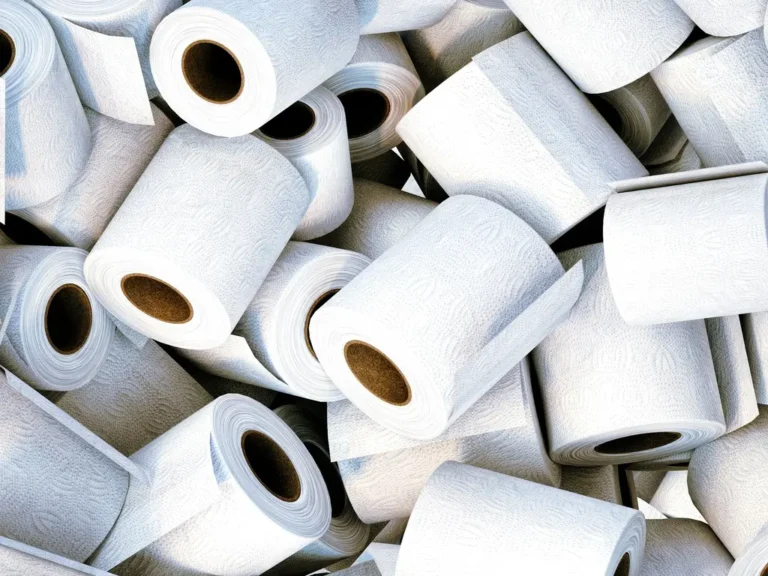
Tissue paper is a lightweight, soft, and highly absorbent product. It is designed to be gentle on the skin, making it ideal for personal hygiene uses. It is also used to clean spills and wipe surfaces. There are various types of tissue paper each with their specific use and properties. Includes facial tissue, toilet paper, paper towels, and napkins.
Tissue paper is made with the pulp of wood fiber. The softness in tissue paper comes from the shorter fibers used, which are less durable but provide the necessary comfort. Additionally, some are treated with lotions, and fragrances to enhance their feel and functionality. Further, these additives complicate the recycling process.
Can You Recycle Tissue Paper?
In most of the cases, tissue paper is not recyclable. Seems surprising but it is true. The main reasons are the quality of fiber used and the contamination issues.
Factors That Affect Tissue Paper Recycling
- Contamination Issues: When we use tissue for wiping or cleaning, the paper becomes contaminated. It can easily risk health, when not treated properly. It is difficult to recycle it and produce high-quality recycled paper.
- Short Fiber Length: It is made from fibers that are shorter and weaker than those used for normal papers. When paper is recycled, the fibers become shorter with every cycle. These fibers become too short to bind properly, producing low-quality recycled paper. The reason why it is not good for recycling.
- Resource Consumption: The process of recycling tissue paper is resource-intensive. It requires a significant amount of water and energy to clean, bleach, and reprocess the fibers. Thus, the recycling of tissue paper is not just impractical but also inefficient from an ecological standpoint.
Comparison With Other Types of Paper
Unlike tissue paper, other paper types such as printer paper, cardboard, and newspaper are made from strong and longer fibers. Also, these are less contaminated when disposed of properly, making them more suitable for recycling. The difference in fiber quality and contamination issues explains why tissue paper often ends up in the trash.
What to Do with Used Tissue Paper Instead
1. Compost
Composting tissue paper is an environmentally friendly approach to dispose of it. Plain, non-dyed, and unbleached tissue paper, breaks down and adds carbon-rich materials to the compost waste. Also, you must avoid composting tissues that are contaminated. The non-compostable substance like grease or chemicals can harm the soil.
2. Waste-to-Energy Options
The waste-to-energy process is another alternative practice. This process burns the tissue paper to generate energy. Helps reduce landfill waste and recover some energy from the waste material.
3. Proper Disposal
If you can’t compost or use waste-to-energy, the next best option is to dispose of tissue paper in the regular trash. It’s not ideal, but it’s often the only option for contaminated tissue paper.
Conclusion
So, next time you reach for a tissue, remember that the answer to “Is tissue paper recyclable” is usually no. But don’t worry—you’ve got options! You can compost it, use waste-to-energy methods, or choose eco-friendly alternatives. Every small change helps protect our planet. By understanding what can and can’t be recycled, you’re already making a positive impact. Keep making those green choices, and together, we can create a cleaner, greener world!