Sustainability is a word we hear a lot today, but what does it really mean? And why is it so important for development? The world is growing quickly, with new buildings, roads, and businesses being built all the time. But while we grow, we also need to take care of the planet. That’s where sustainability comes in. It helps us develop in a way that doesn’t harm the environment or use up all the resources we need to survive.
Sustainability is about making smart choices today so that future generations can live well tomorrow. This means finding ways to protect the earth while still allowing people to grow, work, and have a better quality of life. So, why is sustainability so important for development? Let’s explore how it helps our economy, environment, and society.
Why Is Sustainability Important for Development?
1. Sustainability Helps Long-Term Growth
A key reason why sustainability is so important for development is that it ensures long-term economic growth. In the past, people focused on short-term goals like making quick money or building lots of factories. But they often didn’t think about how this would affect the planet in the long run. For example, cutting down too many trees or using too much fossil fuel can harm the environment and leave future generations with fewer resources.
Sustainable development is different. It focuses on using renewable resources like wind, solar power, and water in ways that don’t harm the planet. By using these resources wisely, we ensure that the earth remains healthy, and we can keep growing for many years to come. This type of growth is better for both businesses and the environment.
2. Protecting the Environment
At the core of sustainable development is environmental protection. The environment provides us with essential resources like clean air, water, and fertile soil, which are crucial for human survival and economic activities. However, unsustainable practices—such as deforestation, pollution, and the overuse of resources—threaten the health of the planet. If these issues aren’t addressed, the environment will no longer be able to support human life and economic growth.
Sustainability helps protect the environment by encouraging people to use resources carefully. This means recycling, reducing waste, and using renewable energy. When we take care of the planet, we protect the very resources that allow us to live healthy lives.
3. Fighting Climate Change
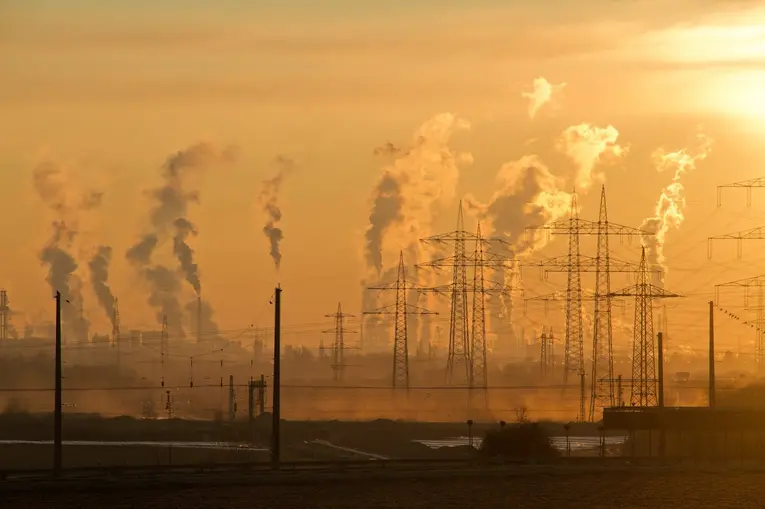
Climate change is a big issue right now. It’s caused by things like burning fossil fuels, which release harmful gases into the air. These gases trap heat, making the earth warmer. This leads to rising sea levels, stronger storms, and changes in weather patterns.
Sustainable development can help fight climate change by promoting the use of clean, renewable energy sources. Instead of using coal or oil, we can use solar, wind, and water power to create energy. This reduces the harmful gases that cause climate change and helps protect the planet for the future.
4. Social Fairness and Equality
Sustainability isn’t just about protecting the environment. It’s also about making sure that everyone has equal opportunities. Sustainable development works to reduce poverty and make sure that people have access to clean water, food, education, and healthcare. When everyone has the resources, they need to live a good life, society becomes more balanced.
By focusing on social equality, sustainability makes sure that everyone benefits from development—not just the rich or powerful, but also those in poorer or less developed areas.
Benefits of Sustainable Development
5. Improving Quality of Life
Sustainability directly improves our quality of life. When cities and towns are designed with sustainability in mind, they become healthier and more pleasant places to live. For example, green spaces like parks and gardens make cities more beautiful and provide clean air. Organic farming practices also ensure that the food we eat is healthy and safe.
By adopting sustainable practices, we can live in cleaner, greener, and healthier environments. By focusing on sustainability, we enhance the well-being of both individuals and communities.
6. Preparing for Future Crises
Sustainability also helps us get ready for future challenges, like natural disasters or pandemics. When we build stronger, greener infrastructure and create more sustainable food systems, we are better prepared for unexpected events. For example, cities that use renewable energy like solar power are less likely to face power shortages during a disaster.
7. Encouraging Innovation and Creativity
Sustainability also leads to new ideas and technologies. For example, electric cars, solar panels, and energy-efficient appliances are all results of thinking about how to use resources wisely. As more people and businesses start to care about sustainability, they come up with creative ways to solve problems.
This innovation safeguards the environment and also opens up new opportunities for businesses and workers. It creates new jobs and industries that focus on green technologies, making sustainability a driver of both progress and economic growth.
8. Reducing Waste and Saving Resources
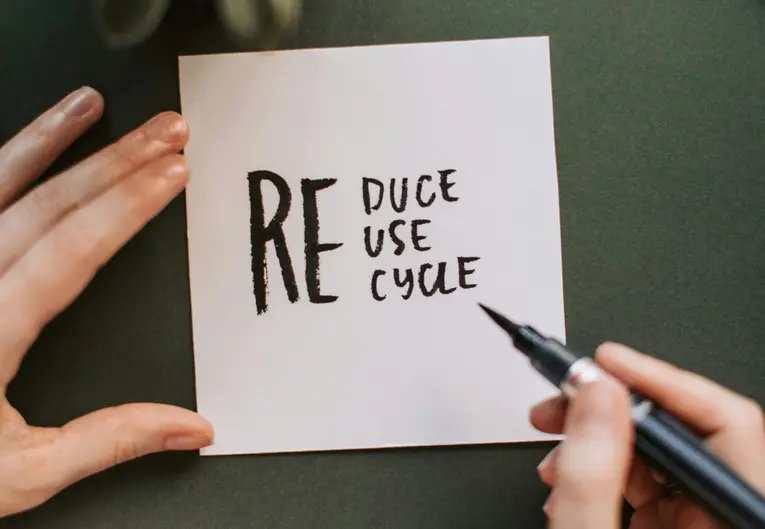
One of the main ideas behind sustainability is reducing waste. This means recycling materials, reusing products, and cutting down on unnecessary consumption. For example, instead of throwing away plastic bottles, we can recycle them to make new products. Sustainable practices also focus on using less energy and water, which helps save these important resources.
By reducing waste and conserving resources, sustainability helps both the environment and our wallets. It leads to lower costs for businesses and families, making it a smart way to live.
The Global Importance of Sustainable Development
9. Working Together for a Better World
Sustainability is a global issue that requires cooperation between countries. No single country can solve problems like climate change or poverty alone. International agreements, such as the Paris Agreement on climate change, encourage countries to work together to reduce carbon emissions and transition to renewable energy.
By working together, countries can share ideas and strategies to tackle global challenges. This cooperation is key to creating a sustainable future where everyone can thrive.
10. Sustainability in Business
Sustainability is also becoming more important in business. Many consumers today prefer to buy products from companies that care about the environment. Businesses that use sustainable practices, like using renewable energy or reducing waste, often have a better reputation and more loyal customers.
Sustainable businesses are also more likely to succeed in the long run because they save money by using fewer resources and reducing waste. By investing in sustainability, companies can grow while helping protect the planet.
11. Helping Future Generations

Sustainability is all about making sure that future generations have what they need to thrive. If we continue using up natural resources without thinking about the future, our children and grandchildren might not have access to clean water, fresh air, or fertile land.
By making sustainable choices today, we ensure that the planet stays healthy and that future generations have the resources they need to live well. This long-term thinking is essential for creating a better world for everyone.
Conclusion
Sustainability is essential for development because it helps protect the planet, ensures long-term growth, and improves our quality of life. It fights climate change, reduces waste, and promotes fairness and equality in society. By embracing sustainability, we can create a world that is better prepared for future challenges and more balanced in its growth.
Sustainability is not just a trend—it’s a necessity for a better tomorrow. Whether it’s protecting the environment, fostering innovation, or building stronger communities, sustainable development is the key to a brighter future.